How Oxygen Therapy Enhances Healing and Recovery
A wound that will not close, a brain injury that still causes symptoms, or severe fatigue after illness can all share one hidden problem: the body may not be getting enough oxygen where it needs it most.
Oxygen is not just something the lungs take in. It is the fuel cells use to make energy, repair tissue, fight infection, and build new blood vessels. When circulation is poor, inflammation is high, or tissue has been injured, oxygen delivery can fall below what the body needs for healing.
That is where oxygen therapy can play a powerful role. Used correctly and under medical guidance, it can raise oxygen levels in the blood and tissues, giving the body more of what it needs to recover.

Why oxygen matters so much during healing
Every healing process is an energy-demanding process. The body must clear damaged cells, control inflammation, restore circulation, produce collagen, and rebuild tissue. Oxygen plays a role in each step.
When the body has enough oxygen, cells can produce more adenosine triphosphate, often called ATP. ATP is the basic energy currency cells use to do repair work. Oxygen also supports immune cells that kill bacteria, especially in wounds where infection risk is high.
Oxygen helps with:
Collagen formation
Collagen gives skin, tendons, and connective tissue their strength as they repair.
New blood vessel growth
Injured tissue often needs new capillaries so oxygen and nutrients can reach the area again.
Immune defense
Certain white blood cells use oxygen-dependent processes to fight bacteria.
Inflammation control
Oxygen may help shift tissue from a stalled inflammatory state toward repair.
Swelling reduction
In some settings, higher oxygen levels can support tissue survival even when blood flow is strained.
This is one reason oxygen therapy is used in hospitals, wound care centers, emergency medicine, and recovery-focused clinics. It does not “heal” the body by itself. Instead, it supports the body’s own repair systems.
The key is delivery. Breathing regular air provides about 21% oxygen. Supplemental oxygen increases the amount inhaled through a nasal cannula, mask, or other device. Hyperbaric oxygen therapy goes further by combining high-concentration oxygen with increased atmospheric pressure, which allows more oxygen to dissolve directly into the plasma, the liquid part of blood.
That difference matters because red blood cells can only carry so much oxygen. Under pressure, oxygen can travel in the bloodstream in a different way, reaching areas where circulation may be limited.
The main types of oxygen therapy and how they work
Oxygen therapy is not one single treatment. The right type depends on the condition, oxygen levels, safety considerations, and the goals of care.
Supplemental oxygen helps when blood oxygen is low
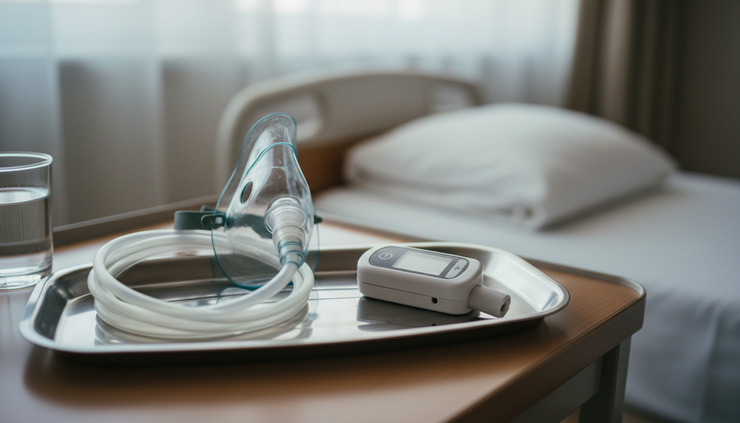
Supplemental oxygen is the form most people recognize. It may be delivered through:
A nasal cannula
A face mask
A portable oxygen concentrator
An oxygen tank
Hospital-based oxygen systems
This type of therapy is commonly used for people with lung or heart conditions that make it hard to maintain healthy oxygen levels. Examples include chronic obstructive pulmonary disease, pneumonia, certain sleep-related breathing disorders, and recovery after some surgeries or hospitalizations.
For people who truly need it, supplemental oxygen can improve shortness of breath, reduce strain on the heart, support activity tolerance, and protect organs from low oxygen levels.
It should not be used casually. Too much oxygen can be harmful in certain conditions, especially some chronic lung diseases. A prescription and monitoring help ensure the dose, flow rate, and duration are appropriate.
Hyperbaric oxygen therapy increases oxygen under pressure
Hyperbaric oxygen therapy, often shortened to HBOT, involves breathing high-concentration oxygen inside a pressurized chamber. The pressure is higher than normal atmospheric pressure, which changes how oxygen moves through the body.
During HBOT, oxygen can dissolve more easily into plasma and other body fluids. This allows oxygen to reach injured or oxygen-starved tissue more effectively than normal breathing alone.
HBOT has long-established uses in medical care. Commonly recognized uses include:
Decompression sickness
Carbon monoxide poisoning
Certain non-healing diabetic foot wounds
Radiation tissue injury
Compromised skin grafts or flaps
Chronic bone infection that has not responded well to standard care
Crush injuries and some severe soft tissue injuries
Our clinic also explores HBOT as part of care plans for concussion recovery, post-surgical recovery, inflammatory conditions, and neurological injury. A proper consultation helps determine whether HBOT is appropriate.
Mild hyperbaric and recovery-focused oxygen programs are different
Some wellness settings use lower-pressure chambers or recovery-focused oxygen sessions. These may feel similar to medical HBOT, but they are not always the same in dose, pressure, oxygen concentration, or clinical purpose.
That difference matters. Oxygen therapy should match the reason for treatment. A person recovering from a diabetic wound needs different clinical oversight than an athlete using oxygen support for general recovery. A person with a history of lung collapse, ear surgery, seizure disorder, or certain medications may need special screening before using a chamber.
A prescription consult helps clarify:
Whether oxygen therapy is safe
Which type may fit the goal
What dose and schedule make sense
What risks or side effects to watch for
What other care should happen at the same time
Conditions where oxygen therapy may support better outcomes
Oxygen therapy is most effective when it addresses a real oxygen-related problem. That problem might be low blood oxygen, damaged tissue, poor circulation, swelling, or impaired wound healing.
Non-healing wounds
Chronic wounds often get stuck because tissue lacks the oxygen needed to rebuild. This is common in diabetic foot ulcers and circulation-related wounds. HBOT may help by increasing oxygen delivery to the wound bed, supporting collagen formation, helping immune cells fight bacteria, and stimulating new blood vessel growth.
A typical wound care plan may also include debridement, infection control, blood sugar management, offloading pressure, compression when appropriate, nutrition support, and vascular evaluation. Oxygen therapy works best as part of a broader plan.
Radiation tissue injury
Radiation can damage small blood vessels, leaving tissue with reduced circulation long after cancer treatment ends. This can lead to pain, fragile tissue, wounds, or delayed healing after dental or surgical procedures.
HBOT may help by encouraging new blood vessel growth in damaged tissue and improving oxygen availability. This is one of the better-known medical uses of hyperbaric oxygen therapy.
Carbon monoxide exposure
Carbon monoxide binds to hemoglobin far more strongly than oxygen does, blocking the blood’s ability to carry oxygen. In serious cases, hyperbaric oxygen therapy can help remove carbon monoxide from the body more quickly and reduce the risk of delayed neurological problems. This is an emergency medical use, not a wellness application.
Surgical recovery and tissue repair
After surgery, oxygen helps tissue knit together, supports immune defense, and aids collagen production. Some patients receive supplemental oxygen in the hospital or during recovery because their oxygen levels dip after anesthesia, pain medication, or limited mobility.
HBOT may be considered in select cases, such as compromised grafts, flaps, or wounds with poor healing. It is not a replacement for surgical follow-up, infection care, nutrition, or rest.
Brain injury and neurological recovery
The brain uses a large share of the body’s oxygen. After concussion, traumatic brain injury, stroke, or other neurological stress, some areas may have altered blood flow and metabolism. Research suggests oxygen therapy may support certain aspects of recovery in select patients, though this is an evolving area.
People often seek HBOT for lingering symptoms such as brain fog, headaches, sleep disruption, or fatigue after injury. Some report improvement, while others do not. Careful evaluation matters because symptoms can have many causes, including vestibular issues, vision changes, hormone shifts, mood changes, sleep problems, or neck injury.

Real-life examples that show how oxygen therapy can help
The strongest examples of oxygen therapy come from areas where oxygen delivery clearly affects tissue survival and healing. The following examples are representative and anonymized, based on common clinical patterns rather than private patient details.
A diabetic foot wound begins to close after months of stalled healing
A person with diabetes develops a foot ulcer that remains open despite standard wound care. The care team manages blood sugar, reduces pressure on the foot, treats infection, and checks circulation. Even with these steps, the wound improves slowly.
After evaluation, HBOT is added to the plan. Over a series of treatments, the wound bed becomes healthier. The tissue looks better supplied, drainage decreases, and the wound gradually gets smaller.
The oxygen therapy did not work alone. The turning point came from matching HBOT with strong wound care, pressure relief, and medical management. That is how oxygen therapy is often most useful: as part of a complete plan, not a stand-alone fix.
A patient with radiation injury has fewer tissue breakdown problems
Years after radiation treatment, a patient develops fragile tissue and delayed healing in the treated area. Standard care helps but does not fully solve the problem because the small blood vessels in the tissue have been damaged.
HBOT is recommended to support oxygen delivery and new blood vessel formation. Over time, the tissue becomes more resilient, and healing after a needed procedure is smoother than expected.
This type of case shows why oxygen matters beyond the lungs. Even when a person breathes normally, local tissue may still be oxygen-starved because the blood supply has been damaged.
A person exposed to carbon monoxide receives emergency HBOT
After carbon monoxide exposure, a person arrives at the emergency department with headache, confusion, and nausea. Oxygen therapy begins right away. In severe cases, clinicians may use HBOT to speed carbon monoxide removal and restore oxygen delivery.
This example is different from wellness or recovery care. It shows oxygen therapy as urgent medical treatment. It also highlights why assessment matters. The same chamber technology can be used for different reasons, but the medical context changes everything.
An athlete recovers from a soft tissue injury with a broader support plan
An active adult has a significant soft tissue injury with swelling and delayed return to training. The recovery plan includes medical evaluation, physical therapy, sleep support, nutrition, and gradual loading.
Oxygen therapy may be considered to support tissue repair and reduce the effects of oxygen shortage in injured tissue. If used, it works best alongside rehab, not instead of it. The goal is not to “push through” healing but to create better conditions for recovery.
These examples point to a simple truth: oxygen therapy is most convincing when the problem involves oxygen delivery, tissue repair, or injury recovery. The right diagnosis comes first.
What to expect during a prescription consult
Before starting oxygen therapy, a clinician should review health history, medications, current symptoms, and treatment goals. This is especially important for hyperbaric therapy because pressure changes can affect the ears, sinuses, lungs, and certain implanted devices.
A prescription consult may include questions about:
Lung disease, asthma, or history of pneumothorax
Ear or sinus problems
Seizure history
Recent surgery
Active infections
Claustrophobia
Pregnancy
Current medications
Wound history or imaging
Oxygen saturation levels
For supplemental oxygen, the consult may focus on oxygen measurements, breathing symptoms, lung or heart diagnoses, and whether oxygen is needed during rest, sleep, or activity.
For HBOT, the consult may also cover chamber type, treatment pressure, session length, number of sessions, and safety instructions.
Common side effects of hyperbaric therapy can include ear pressure, sinus discomfort, temporary vision changes, fatigue, or claustrophobia. Rare but serious risks can occur, which is why screening matters.

Oxygen therapy works best when it supports the whole recovery plan
Oxygen therapy can be a meaningful tool, but it should not be isolated from the basics. Healing still depends on sleep, nutrition, blood sugar control, hydration, movement when appropriate, infection treatment, and follow-up care.
For wound care, oxygen therapy may support tissue repair, but pressure relief and wound cleaning still matter. For neurological recovery, oxygen support may help some people, but sleep, rehab, vision care, and symptom pacing may still be needed. For lung disease, supplemental oxygen can be essential, but the underlying condition still needs medical treatment.
The best results happen when oxygen therapy is used for the right reason, at the right dose, with the right supervision.
If oxygen therapy may fit a current health goal, the next step is to book a prescription consult with Hyperbaric Health & Wellness. A consult can help determine whether hyperbaric oxygen therapy, supplemental oxygen, or another care path makes the most sense based on symptoms, diagnosis, and safety needs.
Oxygen is basic, but its role in healing is anything but simple. When tissue needs more oxygen than the body can deliver on its own, guided oxygen therapy may help create the conditions for stronger recovery and better health outcomes.


Comments